What AI trading actually means, whether AI trading bots work, the real risks, and how systematic traders use AI to build and test trading systems.


What AI trading actually means, whether AI trading bots work, the real risks, and how systematic traders use AI to build and test trading systems.
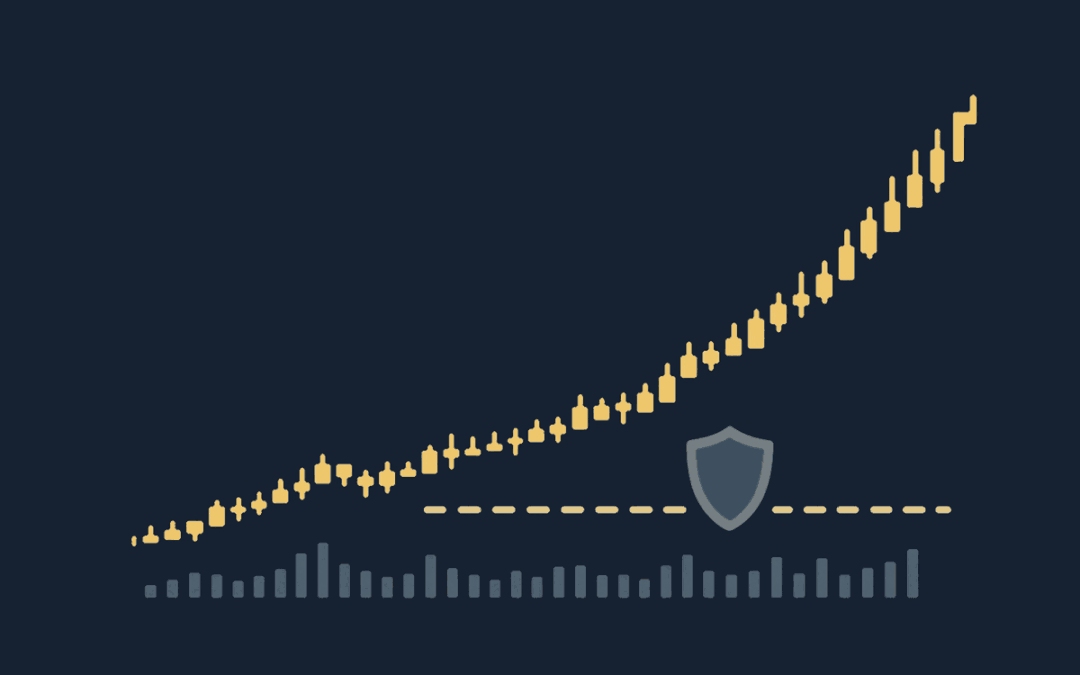
Stop loss in trading, tested: in-market stops came last of three. How to set an ATR stop, when to exit at the next open, and how to test yours.
What a margin call is, initial vs maintenance margin, how to calculate the margin call price, why calls hit near the bottom, and how to avoid one.
The Sortino ratio only counts downside volatility as risk. Here is the formula, a worked example you can check by hand, what a good number looks like, and four ways it can mislead you on a backtest report.
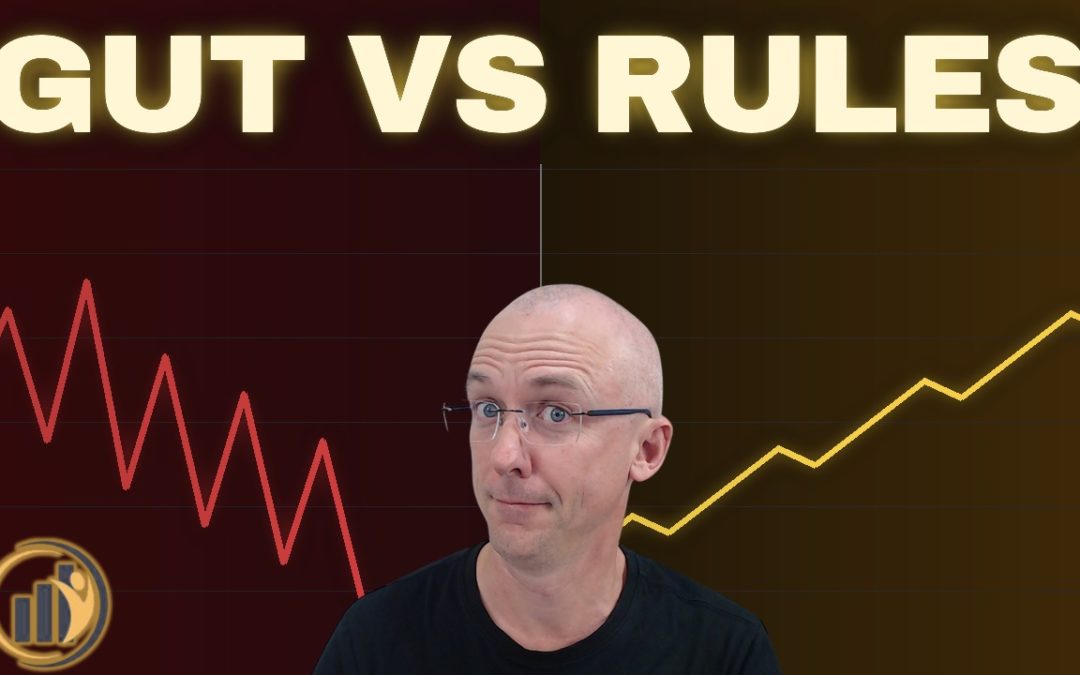
Discretionary vs systematic trading: what each one really means, what the data says about traders who make their own calls, the honest downsides of trading with rules, and a 3-question test to find out which one you are.
A leveraged ETF can lose money while its index goes nowhere. Here is how 2x and 3x funds really work, the maths of volatility decay, and how a systematic trader tests one before trading it.
Between 63% and 97% of retail traders lost money in the studies that counted individual accounts. Here is every study with who was measured, what counted as losing, the period and a link to the primary source, plus ASIC’s Australian data and the trading statistics you should stop quoting.
Is day trading easy? No. It is easy to start and very hard to do profitably – fewer than 1 in 100 day traders earn a reliable profit after fees. Here is why, and the end-of-day systematic alternative that takes 20 to 30 minutes a day.
CAGR is the headline figure on every backtest report, and the number traders most often fool themselves with. What it is, how to calculate it, a realistic target range, and the numbers you must read beside it.
Quantitative trading is buying and selling using objective, tested rules instead of opinion. Here is how the institutional version differs from what a private trader runs on end-of-day data, and how to build your first quantitative trading system.