Show Full Transcript
You want to make more money with your trading, right?
Adrian here, from Enlightened Stock Trading, and I’m on the shores of Lake Como at the moment. We’re in the middle of this journey, we’re traveling for nine months. We’ve been on the road for about four months or so right now. And one of the things that’s impressed me about the life here in Como, is just the pace of it is just so much slower than everywhere else that we’ve been.
And I’ve talked to a lot of traders recently about how they can improve their profitability and make more money. And there’s this assumption that traders tend to make, that more activity will translate into more money, and it’s just not so, because just like most things in trading, they’re counter intuitive and if you try to trade more often, generally what’s going to happen is you’re going to burn out, you’re going to have more losses, you’re going to suffer more slippage, you’re going to pay more commissions.
So basically, everything that you want to reduce will increase, and everything that you want to increase, like your profits, is going to fall. So, if you want to make more money trading, then you’ve got to do something different. And the best way to improve your profitability trading is actually to trade less, to keep your positions for longer, to hold your position for longer, to trade less often, to take only the very best trading setups. And so how do you do that?
Well, to start with, if you’re day trading, then one of the best ways to improve your profitability is to move to daily charts, rather than intraday. Because on a daily chart, you can get far bigger moves, you can make far more money, and it’s a way better lifestyle, because let’s face it, I mean you can stare at the screen for several hours every day, day trading, or you can spend somewhere between 10 and 30 minutes a day running your end of day trading system.
Now you can make huge money using an end of day trading system, spending half an hour a day. But for some people that’s still not enough. You know, if you want to increase your return for effort from your trading even more, what can you do? Well, you actually don’t need to even trade daily to make very good returns. There’s several ways you can configure your trading systems so that you can make better returns, but also have much higher return for your effort, because it’s not just about the total money you make, it’s how much money you make per unit of time you invest. And so, what you can do is extend your timeframe even more. Now, the obvious things are to go from a daily chart to a weekly chart, or to a monthly chart. That’s possible. You can definitely do that, but you can be a little more subtle as well.
I was working with one of my trader mentoring students and what we were designing for him was a system that enters trades only once a week, or only once a month. But you can actually automate exits using things like automated trailing stops with your broker, so that you don’t actually have to do any work to exit your trade. So, for instance, in interactive brokers, there’s a thing called an automated trailing stop, and what that allows you to do is, say, if the stock drops more than, say, 20%, or 10%, or 25%, from its most recent high, or the highest high since you entered the trade, then you get out. And the great thing about that is, once you’ve entered the trade and you place that sort of order, you now no longer have to do anything else to manage that trade for the entire life of the trade. It will automatically take you out when your trailing stop gets hit. And if your stock keeps going up, your trailing stop price, that you’ll get out at, will keep going up as well.
So you see, even on a daily chart, you can reduce the amount of work that your trading takes you, and that will increase your return per unit of effort, per unit of time that you spend on your trading. So, what I want to encourage you to do is, think about how can you trade less? How can you make more money for each unit of time that you spend on your trading? Because that is the path to true freedom and success. Because if you’re not trading for freedom, what’s the point? You may as well have a job. Having a job is probably easier and just going to pay you more consistently.
But if you want freedom, then what you need to do is develop a trading methodology that allows you to make money with very little time, and a daily system, an end of day system, or a weekly system or a monthly system, or some sort of hybrid like we’ve been talking about on this video, is the best way to do that.
Now, if you want to learn more, if you want to learn how to build confidence in your trading system, no matter whether it’s a daily trading system, end of day, weekly, or monthly trading system, click the link below and download my trading system confidence cheat sheet, and you’ll learn the steps that I go through for every single trading system that I create, so that you can follow those same steps and build rock solid confidence in your trading system, no matter whether it’s a daily, weekly, monthly system, or some sort of hybrid.
My name is Adrian Reid. This is Enlightened Stock Trading, and I want you to make more money for every minute that you spend focusing on the market, and that’s what Enlightened Stock Trading is all about. Click the link below and download my trading system confidence cheat sheet, and I’ll see you in the next video. I’m off to enjoy Lake Como. I’ll see you there. Bye for now.
Frequently Asked Questions about Slow Down your Trading
What does it mean to slow down your trading?
Slowing down your trading means reducing the frequency of your trades and extending the time frame over which you hold positions. This approach can significantly enhance your profitability and lifestyle. Here’s why:
- Reduced Activity: Trading less frequently helps avoid burnout, reduces slippage, and minimizes commissions, which can eat into your profits .
- Longer Holding Periods: By keeping positions for longer, you can capture larger market moves, which are often more profitable than short-term fluctuations .
- Improved Lifestyle: Trading on daily or even weekly charts means you spend less time glued to the screen, allowing for a better work-life balance .
- Focus on Quality: By trading less, you can concentrate on the best setups, improving the quality of your trades .
This strategy is about maximizing the return on your time and effort, not just the total money you make. It’s about finding freedom in trading, so you don’t end up with a job-like routine .
Why can slowing down improve your trading performance?
Slowing down your trading can significantly enhance your performance for several reasons:
- Reduced Burnout: Trading less frequently helps avoid burnout, which is crucial for maintaining long-term focus and discipline .
- Lower Costs: By trading less, you reduce slippage and commissions, which can eat into your profits .
- Capture Bigger Moves: Holding positions for longer allows you to capture larger market moves, which are often more profitable than short-term fluctuations .
- Improved Lifestyle: Trading on daily or even weekly charts means you spend less time glued to the screen, allowing for a better work-life balance .
- Focus on Quality: By trading less, you can concentrate on the best setups, improving the quality of your trades .
This approach is about maximizing the return on your time and effort, not just the total money you make. It’s about finding freedom in trading, so you don’t end up with a job-like routine .
What are the risks of trading too frequently?
Trading too frequently can expose you to several risks that can undermine your success:
- Increased Costs: Frequent trading leads to higher transaction costs, including commissions and slippage, which can significantly eat into your profits .
- Emotional Stress: Constantly monitoring and executing trades can lead to emotional fatigue and stress, which may result in impulsive decisions and errors .
- Overtrading: Engaging in too many trades can dilute the quality of your decisions, leading to less disciplined and more speculative trading .
- Burnout: The pressure of frequent trading can lead to burnout, reducing your ability to maintain focus and discipline over the long term .
- Reduced Focus on Strategy: With too many trades, you might lose sight of your trading plan and strategy, leading to inconsistent results .
If you’re looking to improve your trading performance, it might be worth considering strategies that emphasize quality over quantity, allowing you to focus on the best setups and maintain a healthier balance.
Is slower trading more profitable in the long term?
Slower trading can indeed be more profitable in the long term for several reasons:
- Reduced Costs: Trading less frequently means you incur fewer transaction costs, such as commissions and slippage, which can significantly impact your overall profitability .
- Capture Larger Moves: By holding positions for longer periods, you can capture larger market moves, which are often more profitable than short-term fluctuations .
- Improved Lifestyle: Trading on longer time frames, like daily or weekly charts, allows you to spend less time monitoring the markets, leading to a better work-life balance and reducing the risk of burnout .
- Focus on Quality: Slower trading encourages you to focus on the best setups, improving the quality of your trades and potentially leading to better outcomes .
- Less Emotional Stress: With fewer trades, there’s less emotional stress and pressure, allowing for more disciplined and rational decision-making .
Ultimately, the goal is to maximize the return on your time and effort, not just the total money you make. This approach aligns with the idea of trading for freedom, rather than being tied to a job-like routine .
How can I stop overtrading and improve discipline?
Stopping overtrading and improving discipline are crucial steps in becoming a successful trader. Here are some strategies to help you achieve that:
- Set Clear Rules: Develop objective trading rules for entry, exit, and position sizing. This removes emotional decision-making and helps you stick to a consistent plan .
- Backtesting: Test your trading rules over historical data to build confidence in your strategy. This ensures you’re following a proven approach rather than reacting impulsively .
- Trading Plan: Create a comprehensive trading plan that outlines your strategy, risk management, and goals. Stick to this plan to avoid impulsive trades .
- Risk Management: Implement strict risk management rules, such as setting stop-loss orders and limiting the amount of capital at risk per trade .
- Journaling: Keep a trading journal to track your trades, emotions, and decisions. Regularly reviewing this journal can help you identify patterns and areas for improvement .
- Regular Reviews: Conduct regular reviews of your trading performance and systems to ensure they align with your goals and risk tolerance .
By focusing on these strategies, you’ll be able to reduce overtrading and enhance your discipline, leading to more consistent and successful trading outcomes.
What is the difference between slow trading and high-frequency trading?
The difference between slow trading and high-frequency trading (HFT) is primarily about the time frame and the approach to executing trades:
- Time Frame: Slow trading involves holding positions for longer periods, such as days, weeks, or even months. This approach allows traders to capture larger market moves and reduces the frequency of trades. In contrast, HFT involves executing trades in fractions of a second, often holding positions for just a few seconds or minutes .
- Trading Costs: Slow trading incurs fewer transaction costs due to the reduced number of trades. HFT, on the other hand, involves a high volume of trades, leading to significant transaction costs, including commissions and slippage .
- Market Noise: Slow trading operates above the market noise, focusing on significant trends and moves. HFT tries to capitalize on small price discrepancies and market inefficiencies, often getting caught up in the noise .
- Emotional and Physical Stress: Slow trading generally involves less stress and allows for a better work-life balance, as it doesn’t require constant monitoring. HFT demands continuous attention and rapid decision-making, which can be mentally and physically exhausting .
- Profitability: Slow trading can be more sustainable for individual traders, as it avoids the intense competition and high costs associated with HFT. HFT is often dominated by large firms with significant resources and advanced technology .
If you’re exploring different trading strategies, understanding these differences can help you choose an approach that aligns with your goals and lifestyle.
What trading strategies work best with a slower pace?
When it comes to trading strategies that align well with a slower pace, there are a few that stand out:
- Trend Following: This strategy involves buying stocks that are trending upwards and holding them until the trend reverses. It’s a low-maintenance approach that can yield substantial profits from large winning trades, even if there are fewer wins overall. The focus is on capturing significant market moves over time .
- Long-Term Buy and Hold: Although not strictly a trading strategy, buying quality stocks and holding them for the long term can be effective. This approach requires less frequent trading and is more about capitalizing on the overall growth of the market or specific companies .
- Position Trading: This strategy involves holding positions for weeks or months, aiming to profit from major price movements. It requires less frequent monitoring and allows traders to focus on larger trends rather than short-term fluctuations .
These strategies are particularly suited for traders who prefer a more relaxed approach, allowing them to avoid the stress and costs associated with high-frequency trading.
How do you identify slow-moving stocks?
Identifying slow-moving stocks involves looking for those with low volatility, which can be measured using the Average True Range (ATR). Here’s how you can do it:
- Average True Range (ATR): This is a key indicator for measuring volatility. A lower ATR indicates that a stock moves less from day to day, making it a slow-moving stock. You can compare the ATR of different stocks to find those with lower volatility .
- Historical Price Movement: Look at the stock’s historical price chart. Slow-moving stocks tend to have smoother, less erratic price movements without large gaps or spikes .
- Volatility Filters: Use filters to screen for stocks with low volatility. This can help eliminate stocks that jump around a lot, which are typically not suitable for trend-following strategies .
- Trend Analysis: Slow-moving stocks often exhibit more stable trends. Analyzing the trend direction and consistency can help identify these stocks .
By focusing on these aspects, you can effectively identify slow-moving stocks that might be suitable for strategies like trend following, which benefit from smoother price movements and reduced risk of stop-loss hits .
How does emotional control relate to trading frequency?
Emotional control is crucial in determining trading frequency because it directly impacts decision-making and discipline. When emotions like fear, greed, or excitement take over, traders might find themselves trading more frequently than planned, often leading to overtrading and inconsistent results .
- Impulsive Reactions: Without emotional control, traders might react impulsively to market movements, entering or exiting trades based on emotions rather than a well-thought-out strategy. This can lead to increased trading frequency and potential losses .
- Confidence in Systems: Emotional control is rooted in the confidence you have in your trading system. When you’re confident in your rules and have backtested them thoroughly, you’re less likely to deviate from your plan and overtrade .
- Consistency: Maintaining emotional control helps ensure consistency in your trading approach. By sticking to your system and avoiding emotional reactions, you can keep your trading frequency aligned with your strategy, rather than being swayed by market noise .
- Journaling and Reflection: Keeping a trading journal can help you identify emotional triggers and patterns that lead to increased trading frequency. By reflecting on these, you can develop strategies to manage emotions and maintain discipline .
By focusing on emotional control, you can better manage your trading frequency, leading to more consistent and profitable outcomes.
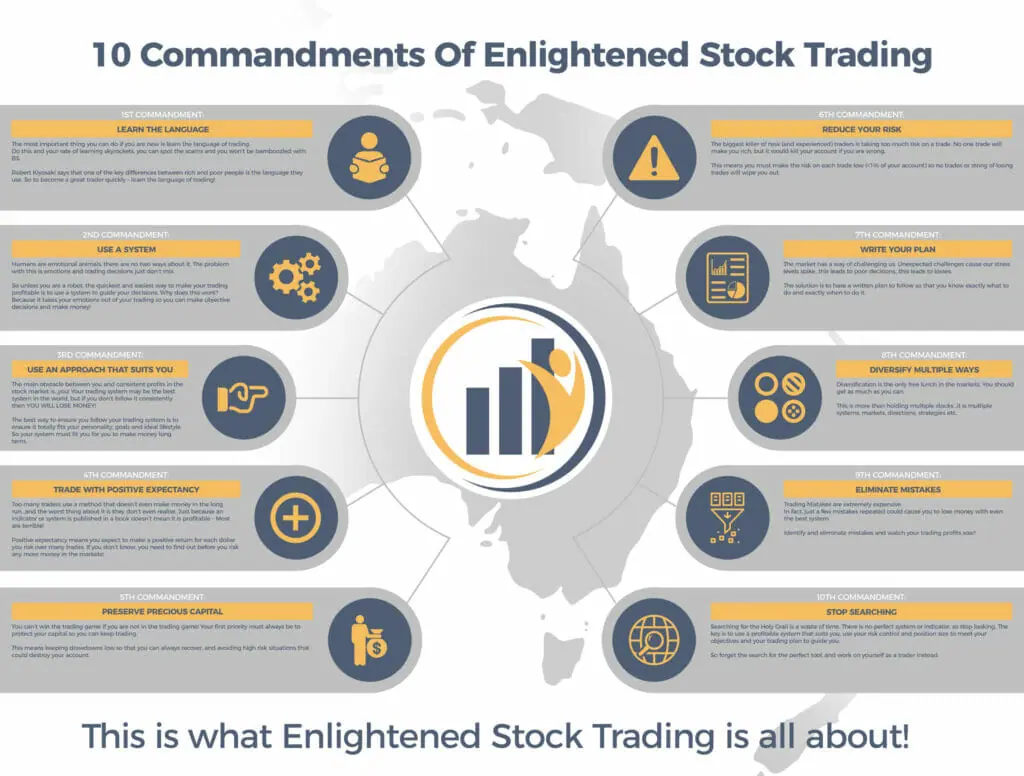
Learn The 10 Commandments For Profitable Trading
Discover the 10 most important lessons from 18 years of profitable trading & reading over 150 trading books.
Get your FREE Report & 10 Training Videos NOW!