SMSF vs Industry and Retail Super Funds: What’s Right for You?
If you’re thinking about taking more control of your financial future, chances are you’ve investigated SMSFs. But how do they really stack up against traditional industry and retail super funds? Is the added flexibility worth the responsibility? Or are you better off keeping things simple and sticking with a professional fund manager?
In this article, we unpack the real differences between Self-Managed Super Funds (SMSFs) and other superannuation structures. We cover control, cost, performance, compliance, investment options, and who each fund type is best suited for. Whether you’re an experienced investor with a clear trading strategy or just starting to explore your super options, this guide will help you assess which structure fits your goals, knowledge, and lifestyle.
There’s no one-size-fits-all answer here. But by the end of this article, you’ll know exactly what questions to ask and whether an SMSF, retail fund, or a hybrid setup is right for you.

What Is the Difference Between SMSFs and Other Super Funds?
SMSF control and flexibility
Self-Managed Super Funds (SMSFs) offer a level of control that simply isn’t available in industry or retail super funds. You decide what to invest in, when to buy or sell, and how your portfolio is structured. Want to include property, direct shares, or even crypto? You can, as long as it’s within the rules. This flexibility appeals to investors who prefer to align their retirement investments with their personal strategy.
With control comes responsibility. SMSF trustees are responsible for investment decisions, compliance, and ensuring the fund meets its sole purpose – providing for retirement. This might be empowering if you’re confident with spreadsheets and investment planning. But if you’re more passive in nature, the extra responsibility might feel like a burden rather than a benefit.
The key question is this, do you want full control over your super, or are you more comfortable delegating to professionals and focusing on your career? For some, taking the reins is worth it, for others, outsourcing is the smarter move.
Fees and performance comparisons
One of the most common motivations to consider an SMSF is the potential to reduce fees, especially for balances above $250,000. With an SMSF, the fee structure is typically fixed, meaning you could pay less (as a percentage) as your balance grows. Industry and retail funds, on the other hand, often charge a percentage of your assets, which adds up fast as your super balance climbs.
But fees are only one side of the coin, performance matters more. Some industry funds have scale advantages and strong historical returns, especially those that offer passive low-cost options or pooled investments. If you’re not confident in your ability to build a diversified, profitable portfolio yourself, paying a little more for professional management could still come out ahead over time.
Think of fees like buying tools. If you’re confident you can build the furniture yourself, a one-time investment makes sense. But if you’re unsure, it might be safer to pay someone who’s done it 10,000 times before.
Regulatory oversight (APRA vs ATO)
Retail and industry super funds are regulated by APRA, which provides tight oversight to protect investors from mismanagement. SMSFs, on the other hand, fall under the ATO, which takes a more self-directed approach. That means more freedom, but also more risk, and higher penalties if you get it wrong.
This difference in oversight makes it essential that SMSF trustees understand the rules. You’re doing more than simply investing; you’re overseeing a regulated financial framework. That’s fine if you’re structured, detail-oriented, and happy to dig into compliance. Not so fine if you’d rather stay hands-off.
If you want to be in the driver’s seat and you trust yourself more than a faceless institution, the ATO regulated route might appeal. If compliance stress keeps you up at night, an APRA regulated fund might be the wiser choice.
Pros and Cons of Each Super Structure
Suitability based on account balance and trading knowledge
SMSFs become more cost-effective once your super balance exceeds roughly $250,000–$300,000. Below that, the cost of audits, admin, and advice can eat into returns. But size alone isn’t enough. You also need the skill, discipline, and knowledge to manage investments responsibly and profitably.
If you’re already investing in shares, understand, or are willing to learn backtesting, and have a clear trading strategy, then an SMSF may be a logical next step. But if the idea of portfolio construction or position sizing feels foreign, you might not be ready to fly solo.
The right structure depends on where you are in your wealth journey. SMSFs give you control. But control without competence leads to costly mistakes.
Administration and compliance requirements
Running an SMSF is like running a small business. There are annual audits, tax returns, investment strategy reviews, and strict record-keeping requirements. Miss a deadline or get your strategy wrong, and you could face hefty penalties from the ATO.
That said, many SMSF trustees outsource the admin to third-party providers. This reduces workload but adds cost. Outsourcing still won’t eliminate your legal responsibility however, you’re still the one accountable if something goes wrong.
If paperwork gives you energy and you like knowing where every cent is going, you’ll probably handle it fine. But if you’d rather focus on your job or family than track capital gains, this could be an energy drain.
Investment menu and strategy options
Industry and retail funds offer pre-packaged investment options. These are easy, diversified, and professionally managed, but they’re also limited. Want to invest in individual shares or crypto? Good luck doing that in a retail fund.
With an SMSF, you can go beyond the traditional. You’re not boxed into a menu of options, you can build a portfolio based on your own logic and goals. Want to run a trend trading system across global equities? You can.
The SMSF advantage is freedom. But like any freedom, it’s best used by those who know what they’re doing, and dangerous for those who don’t.
Making the Right Choice for Your Situation
Investor profiles best suited for each fund type
SMSFs are ideal for hands-on, financially literate investors who want control, are confident in their trading knowledge, and have the time and inclination to be involved. These individuals thrive in this space, actively managing their retirement wealth using systems.
Industry and retail funds suit busy professionals or those seeking simplicity and peace of mind. If your goal is “set and forget” while focusing on your main career or business, these funds offer low-maintenance investing without needing deep financial expertise.
The best structure depends on your personality, time availability, and level of financial acumen. This is not about right or wrong, it’s about fit.
Questions to ask before switching
Before moving to an SMSF, ask yourself:
- Do I have the time and interest to manage this properly?
- Do I understand the rules, or have support to stay compliant?
- Can I build a diversified, risk-managed portfolio or am I willing to learn how?
- Is my super balance high enough to justify the cost?
Also, be honest, am I making this switch for control, or because I’m frustrated with returns and want a “quick fix”? SMSFs are not shortcuts, they are structures. The results still come from discipline, skill, and planning.
A switch should be based on alignment, not emotion. If your trading approach and lifestyle suit an SMSF, it’s worth exploring. If not, staying put could save you a world of stress.
When a hybrid approach may work
You don’t have to go all in or all out. A hybrid approach works for many. You can maintain a retail or industry super fund while also building wealth independently via a trading account or family trust. This lets you gain confidence in your trading systems before taking full control of your retirement money.
Another version of hybrid is starting with a corporate trustee SMSF but outsourcing admin and compliance, freeing you to focus on the investing side. This gives you more control than a retail fund, without drowning in paperwork. This approach suits me, allowing me to focus on my trading systems and portfolio structure.
Like diversification in a trading portfolio, structural diversification can reduce risk. There’s no prize for being “pure” in your super structure. There’s only reward for choosing what suits you best.
Summary: SMSF vs Other Super Funds – Choose the Right Fit, Not the Flashiest Option
The decision between an SMSF and a traditional super fund comes down to one thing: alignment. SMSFs offer unparalleled control and investment flexibility, but they also come with added responsibilities, compliance costs, and the need for solid financial knowledge. If you thrive on data, love spreadsheets, and want to use your own systems and backtesting to drive decisions, an SMSF could be a powerful tool.
On the flip side, industry and retail funds are ideal for those wanting peace of mind, simplicity, and professional management. You still benefit from diversification and compounding returns, but without the time or mental load of running your own fund.
If you’re not quite ready to commit fully either way, a hybrid approach may strike the balance you need. Start with your goals, consider your account size and time availability, and don’t jump just because SMSFs sound “better.” The best choice is the one that fits you.
At Enlightened Stock Trading we can help you take the next step in your journey towards building a portfolio of systems to suit your SMSF goals and objectives. Join the Trader Success System today to find out how we can guide you on your trading journey.
Read our complete set of articles on Self Managed Super Fund Trading
SMSF Setup and Compliance
- SMSF vs Industry and Retail Super Funds: What’s Right for You?
- ATO Rules and Audit Requirements for SMSF Traders
- SMSF Contribution Limits and Retirement Planning
- SMSF Compliance and Trustee Responsibilities
- How to Set Up a Self-Managed Super Fund for Stock Trading
SMSF Benefits and Considerations
SMSF Trading
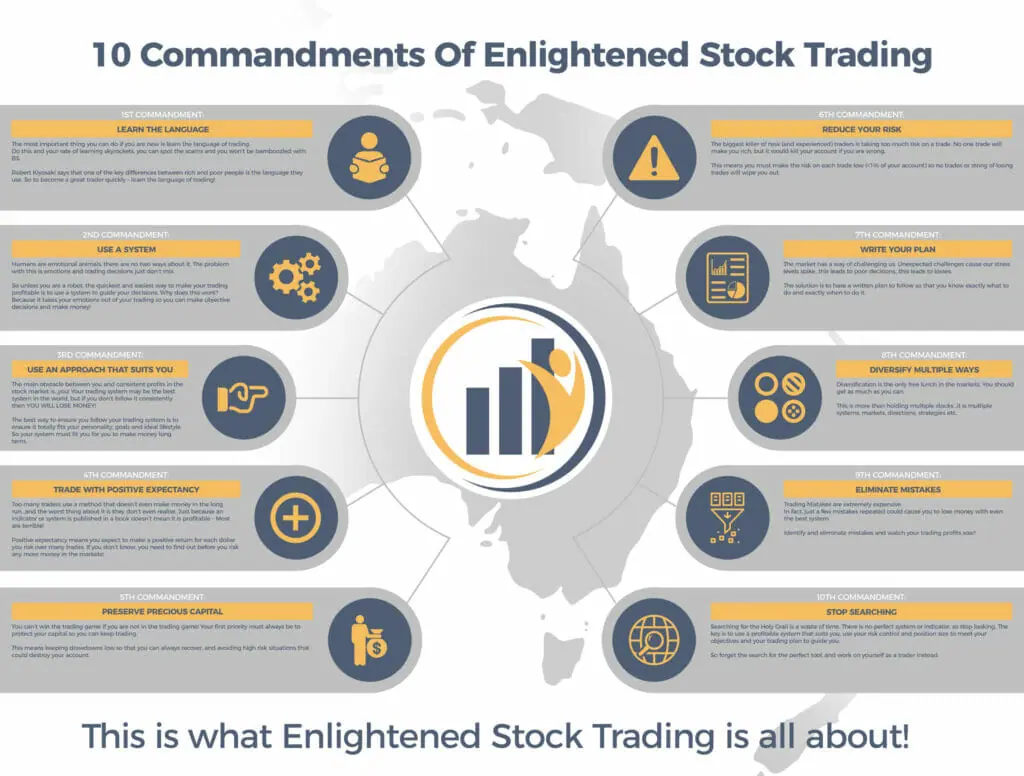
Learn The 10 Commandments For Profitable Trading
Discover the 10 most important lessons from 18 years of profitable trading & reading over 150 trading books.
Get your FREE Report & 10 Training Videos NOW!