Pros and Cons of Stock Trading in an SMSF
If you’re a logical, independent thinker exploring how to make your retirement savings work harder, you’ve probably considered setting up a Self-Managed Super Fund (SMSF) to trade stocks. On the surface, it sounds like a smart move – tax advantages, full control, and investment flexibility. But is it really the right vehicle for your trading style and goals?
Trading inside an SMSF isn’t just about chasing returns. It’s about structure, discipline, and responsibility. From capital gains tax discounts and franking credits to trustee obligations and risk management, there are layers to understand before diving in. And unlike your personal account, the margin for error is much smaller.
This article walks you through the benefits and risks of using an SMSF for active investing. Whether you’re already trading or just getting serious about managing your own money, this will help you assess if you’re ready to take control of your super – or if you’re better off sticking with a passive fund until your edge is stronger.

Benefits and Risks of Trading Stocks in an SMSF
Tax efficiency (capital gains, franking credits)
One of the biggest attractions of trading within an SMSF are the very beneficial tax rates. Capital gains are taxed at just 15% in the accumulation phase and drop to 0% in the retirement phase (subject to caps). Compare that to your marginal tax rate and you can see the appeal for long-term traders.
Franking credits add another layer of benefit. Dividends from Australian shares come with imputation credits that can reduce your SMSF’s tax bill or even result in a refund. If you’re a dividend-focused investor or use trend trading systems, this can work in your favour.
But remember – you must stay compliant to access these benefits. Get it wrong, and the ATO can tax your fund at the top marginal rate instead. That’s not a mistake you want to make.
Portfolio flexibility and diversification
An SMSF allows you to diversify beyond the typical mix of pre-set portfolios you find in retail and industry super funds. You can invest in Australian and international shares, ETFs, listed property, and sometimes even crypto – all under one umbrella. The Crypto Success System is a valuable starting point if you wish to diversify into this market.
This flexibility is a key advantage if you’re using systematic trading strategies that require specific market conditions or asset classes. Want to run a long-only ASX strategy, pair it with a US short system and hold some defensive ETFs? You can do that.
Diversification also helps reduce drawdowns across market cycles. But it only works if your systems are structured and uncorrelated. Otherwise, you’re just increasing noise, not reducing risk.
Full control over strategy
Control is the top reason most traders consider an SMSF. You decide what to trade, how to trade it, when to rebalance, and how much exposure to take. There’s no need to compromise on your trading strategy to fit someone else’s risk tolerance and goals.
This is particularly appealing if you’re already trading and want your SMSF to follow the same logic. For example, you could implement an automated, backtested portfolio of strategies within your SMSF, while continuing to trade the strategies in your personal account.
But with that control comes a caveat: every decision rests on your shoulders. There’s no one else to blame if you blow up the fund or drift into inconsistent decisions.
Common Risks and Challenges
Compliance pitfalls and trustee responsibilities
Running an SMSF means taking on a legal responsibility. As trustee, you must follow the Superannuation Industry (Supervision) Act, lodge annual returns, arrange annual audits, and keep accurate records.
One common mistake is treating SMSF money like your personal funds, this leads to compliance breaches, and potentially huge tax penalties. You’ll also need to ensure your investment strategy and trust deed are updated regularly and are in sync with your trading activity.
This level of responsibility is manageable with the right structure and support. But if you’re not organised or don’t have time for admin, outsourcing these tasks is essential – because the ATO doesn’t tolerate sloppiness.
Risks of underperformance and emotional trading
The biggest risk is thinking that having control guarantees better results, it doesn’t. If you trade based on hunches, fear, or headlines, your SMSF performance may suffer compared to a professionally managed fund.
Systematic trading reduces this risk by enforcing discipline through clear rules. But if you’re emotionally tied to each trade, or can’t stick to a plan during drawdowns, you could seriously damage your retirement savings.
Ask yourself honestly, would you let a friend trade your superannuation the way you trade your own money now? If the answer is no, your system (or your mindset) needs work before involving your SMSF. If you need a clear path to being comfortable answering this question with a resounding YES, then the Trader Success System is the only course you will need.
Impact of Drawdowns and Contribution Limits
All trading systems go through drawdowns. The challenge in an SMSF is that topping up the account isn’t always easy. Annual contribution limits cap how much you can add, and large losses take longer to recover when cash flow is restricted.
This makes risk management critical. You need to build systems with controlled drawdown profiles and keep cash buffers for unexpected volatility. Overleveraging in a tax-advantaged vehicle is asking for trouble. In the Trader Success System we teach our students how critical risk management is, recovering from a deep drawdown can be much harder than the uneducated trader could ever anticipate.
It’s also worth noting that accessing capital gains in an SMSF isn’t straightforward. Your money is locked in until you reach preservation age, so losses can’t be “traded back” with outside capital.
Who Should Consider Trading in an SMSF?
Ideal trader profiles
Not everyone should trade within an SMSF. It suits traders who are structured, consistent, and comfortable with compliance. If you’re already running proven trading systems and want to align your retirement investing with that same logic, it makes sense.
The ideal SMSF trader doesn’t chase news headlines. They use position sizing, test their systems rigorously, and make data-driven decisions. They view their SMSF like a business, not a game.
If you’re erratic or easily influenced by emotion, focus on mastering your trading psychology first. Your super is too important to experiment with while still learning.
Active vs Passive Investors
SMSFs are often marketed to active investors, but not everyone trading inside one is watching the screen daily. The key difference is that you want direct control over asset allocation and strategy – even if it’s automated or low-touch.
Passive investors who are happy with index exposure and long-term compound growth may be better off in a low-cost retail or industry fund. These options offer solid long-term performance without the admin load.
But if you have a strategy that works, and want to harness the tax benefits of an SMSF while applying your trading plan, active investing through a fund you control can be very effective.
Risk tolerance and technical know-how
Trading in an SMSF demands more than just confidence – it requires clarity about your risk tolerance and enough knowledge to build or follow a reliable system. You’re not just managing trades. You’re managing retirement capital.
If you’re uncomfortable with volatility, or you second-guess your trades often, it’s worth building more experience in your personal account before involving your superannuation. Mistakes can be costlier inside an SMSF due to contribution and withdrawal limits.
Technical know-how doesn’t mean you need to code. But you must understand your systems well enough to explain, justify, and stick to them. Your auditor and the ATO expect decisions to be aligned with your written investment strategy, not your gut.
Summary: SMSFs for Active Traders – High Control, Higher Stakes
Using an SMSF to trade stocks can be a smart move for experienced, system-driven traders who value tax efficiency and full strategic control. It opens up opportunities for tailored diversification, better alignment with your trading goals, and the ability to capture franking credits and long-term capital gains discounts.
But it’s not a decision to take lightly. Running an SMSF means taking on legal responsibilities, managing compliance, and protecting against emotional decisions or an underperforming account. You’ll also need to consider drawdown risk and the impact of contribution caps on recovery if things go wrong.
If you’re organised, consistent, and already trading with a clear edge, the benefits can be substantial. But if your approach still involves gut feel, inconsistent execution, or emotional decisions, it may be worth mastering your trading outside of your superannuation first, we recommend the Trader Success System to build unwavering confidence in your trading edge. Either way, the goal remains the same: Build a reliable, rules-based path to long-term wealth.
Read our complete set of articles on Self Managed Super Fund Trading
SMSF Setup and Compliance
- SMSF vs Industry and Retail Super Funds: What’s Right for You?
- ATO Rules and Audit Requirements for SMSF Traders
- SMSF Contribution Limits and Retirement Planning
- SMSF Compliance and Trustee Responsibilities
- How to Set Up a Self-Managed Super Fund for Stock Trading
SMSF Benefits and Considerations
SMSF Trading
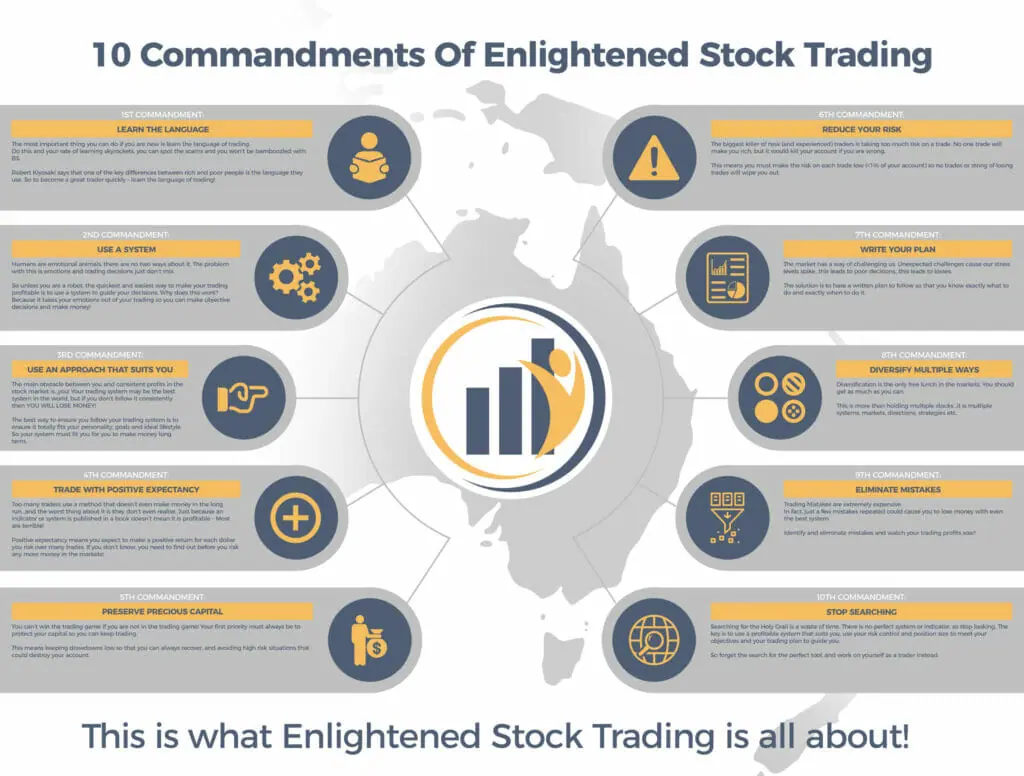
Learn The 10 Commandments For Profitable Trading
Discover the 10 most important lessons from 18 years of profitable trading & reading over 150 trading books.
Get your FREE Report & 10 Training Videos NOW!