Tax Benefits of Trading in a Self-Managed Super Fund
Trading stocks inside a Self-Managed Super Fund (SMSF) isn’t just about more control, it’s about keeping more of what you earn. If you’re serious about building wealth through active investing, understanding the tax advantages of an SMSF is essential. From reduced capital gains tax to franking credit refunds, the tax structure can give traders a real edge if used correctly.
But here’s the catch: it’s not automatic. You need to know how the tax phases work, what counts as a long-term gain, and how frequent trading affects your CGT. You also need solid record-keeping and tracking tools to avoid compliance slip-ups that can undo all the benefits.
In this article, we break down the practical tax advantages of trading within an SMSF – including the 15% accumulation tax, 0% pension phase, CGT discounts, dividend imputation, and more. Whether you’re already trading or planning your retirement investing strategy, this guide will help you trade smarter and keep more of your returns.

Overview of SMSF Tax Rates
15% accumulation phase tax
While individual investors may pay tax on investment income at rates up to 47%, an SMSF in the accumulation phase enjoys a flat 15% tax rate on earnings. That includes interest, dividends, and net capital gains – which is a major advantage when compounding over time.
This lower rate is particularly useful for active traders who are generating consistent profits and are subject to capital gains throughout the year. Even if you trade frequently, the reduced tax burden means more of your profits stay in the fund to be reinvested.
That said, 15% isn’t automatic. The fund must remain compliant and be registered with the ATO as a regulated SMSF. Any breach of compliance rules can trigger the top marginal tax rate – which completely defeats the purpose.
0% pension phase tax
Once your SMSF enters pension phase, earnings on assets supporting pension payments become completely tax-free. That includes dividends, interest, and capital gains – provided they sit within the transfer balance cap ($1.9 million per member for FY25).
This 0% tax environment makes it extremely efficient to hold growth-oriented or income-producing assets during retirement. It’s why many traders shift more capital into tax-effective strategies as they approach retirement age.
But not all your SMSF assets may qualify for the 0% rate. If your fund has both accumulation and pension balances, tax must be apportioned. A good accountant can help structure this properly to maximise the tax-free portion.
Long-term CGT discount
Capital gains tax is even more favourable when your SMSF holds an asset for more than 12 months. In this case, the fund receives a one-third discount on the gain before tax is applied – reducing the effective tax rate on that profit to just 10%.
This discount is often overlooked by traders who are used to faster-paced strategies. But if part of your trading plan includes systems with longer holding periods such as trend following, this becomes a powerful benefit.
In pension phase, of course, those same long-term gains can be entirely tax-free – creating a compounding advantage that’s hard to beat.
Using Franking Credits to Boost Returns
How dividend imputation works
When an Australian company pays a franked dividend, it includes a “franking credit” – tax already paid at the company level. Your SMSF can use these credits to offset its own tax bill, reducing the 15% payable or eliminating it entirely.
If the SMSF is in pension phase and pays no tax, the credits may be refunded by the ATO. That’s real money coming back into the fund – turning dividend income into an even more attractive stream.
Dividend imputation works best when your portfolio includes a solid base of Australian shares. It’s especially helpful for SMSFs with income-focused strategies or members close to retirement.
Offsetting tax and claiming refunds
Franking credits aren’t just theoretical. They directly reduce the amount of tax your SMSF owes. If your fund’s tax liability is less than the total franking credits received, you can claim the difference as a cash refund from the ATO.
This is most common in funds that are largely in pension phase or hold many high-yield, fully franked shares. It’s a powerful cash flow tool that can support withdrawals or reinvestment without selling assets.
To maximise this, your SMSF accountant needs accurate tracking of income, tax credits, and member balances across accumulation and pension phases.
Strategic stock selection for income
Tax-efficient trading in an SMSF isn’t just about how often you trade – it’s also about what you trade. Stocks that pay reliable, fully franked dividends can deliver both income and tax benefits when selected carefully.
This makes them ideal for base-layer positions in your portfolio, especially if you’re combining systematic trading systems with income generation. A diversified blend of capital growth and franked income can balance risk and boost net returns.
Keep in mind though, that stock selection should still follow your trading strategy. Don’t chase dividends at the expense of performance or risk control.
Managing Tax with Active Trading
CGT implications of frequent trades
If your SMSF trades frequently, you’ll likely be realising more short-term capital gains – which aren’t eligible for the 12-month CGT discount. These gains will be taxed at the full 15% rate in accumulation phase.
This isn’t necessarily a problem if your systems are profitable and the fund is structured to handle the activity. But it does mean careful record-keeping becomes more important.
You’ll also want to avoid triggering unnecessary CGT events – like selling and rebuying the same stock outside your system. Every transaction matters more when you’re trying to maintain long-term efficiency. I have found that religiously following the signals my systems generate eliminates a lot these headaches and makes managing my SMSF a much easier process.
Record-keeping and accounting best practices
Trading inside an SMSF requires precision. Every trade, dividend, contribution, expense, and distribution must be recorded and reconciled accurately. The ATO expects clear, auditable documentation – not estimates and guesses.
Use separate SMSF bank and trading accounts. Don’t mix personal funds and keep receipts, broker statements, and dividend notices in digital format, ideally synced with your accounting software or SMSF admin provider. We must also ensure that all receipts and documentation relating to the SMSF is in the name of the SMSF, not your personal name!
A good record-keeping process not only protects your tax benefits, but also gives you clarity and confidence in your fund’s performance and compliance standing.
Tools for tax-efficient tracking
To stay on top of tax efficiency, consider using portfolio management software built for SMSFs. These tools can automate tracking of franking credits, CGT liabilities, unrealised gains, and asset allocation.
Platforms like Sharesight or specialist SMSF admin services can also integrate with your accountant, helping prepare annual returns and keep your fund audit-ready. Trading with Interactive Brokers within my own SMSF I have found all required documentation for my accountant and auditor are easily accessible.
For traders using Amibroker or building automated systems, syncing performance data with your portfolio tracking tools ensures you’re not just trading profitably, but also tax-smart.
Summary: SMSF Tax Benefits for Traders – Smarter Structures, Stronger Returns
Trading within an SMSF offers standout tax benefits – a 15% flat rate in accumulation phase, 0% in pension phase, and capital gains discounts that reward patient, long-term strategies. Add franking credits to the mix, and the potential tax efficiency is far beyond what personal investing can offer.
But these advantages come with rules. Active traders must manage CGT implications of frequent trades, stay on top of record-keeping, and use tools that track everything from imputation credits to unrealised gains. It’s a balance of discipline and strategy.
When done right, an SMSF can become a powerful vehicle for building wealth in a tax-effective way. The key is treating your fund like a business – combining a systematic approach with a clear understanding of how tax laws apply to your trading style.
Read our complete set of articles on Self Managed Super Fund Trading
SMSF Setup and Compliance
- SMSF vs Industry and Retail Super Funds: What’s Right for You?
- ATO Rules and Audit Requirements for SMSF Traders
- SMSF Contribution Limits and Retirement Planning
- SMSF Compliance and Trustee Responsibilities
- How to Set Up a Self-Managed Super Fund for Stock Trading
SMSF Benefits and Considerations
SMSF Trading
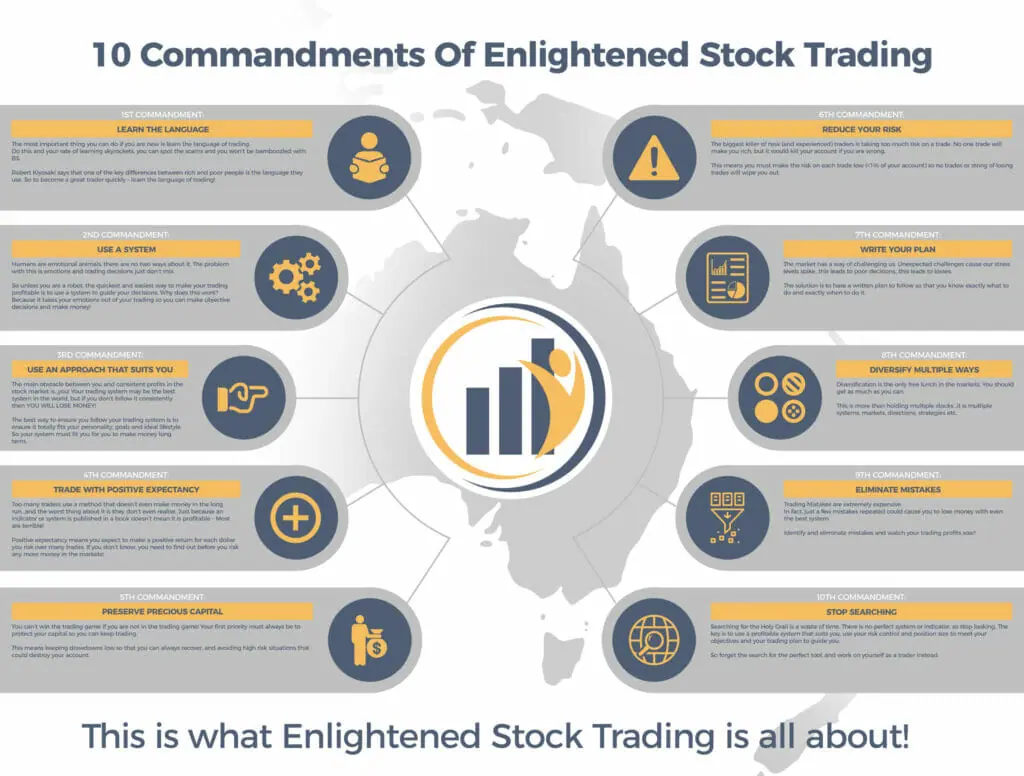
Learn The 10 Commandments For Profitable Trading
Discover the 10 most important lessons from 18 years of profitable trading & reading over 150 trading books.
Get your FREE Report & 10 Training Videos NOW!