ATO Rules and Audit Requirements for SMSF Traders
Trading through a Self-Managed Super Fund (SMSF) gives you control and flexibility, but it also puts you directly under the watchful eye of the ATO. And that control comes with rules, lots of them. If you’re not clear on how the sole purpose test, transaction limits, or audit requirements work, you could easily end up breaching compliance without even realising it.
Whether you’re running systematic strategies, buying crypto, or trading equities inside your SMSF, staying on the right side of ATO guidelines is non-negotiable. This article breaks down the key rules for SMSF traders, the audit process, and the most common compliance mistakes to avoid. We’ll also cover best practices to stay audit-ready, including how to keep clean records and use professional support without losing control.
If you’re trading actively or planning to start, this guide will help you protect your fund, avoid penalties, and confidently meet your annual audit obligations.

Key ATO Guidelines for SMSF Traders
Sole purpose test and investment strategy alignment
The sole purpose test is the cornerstone of SMSF compliance. Your fund must exist solely to provide retirement benefits to members (or their dependants if a member dies). Every decision you make, including buying or selling assets, needs to pass this test. Using the SMSF to gain early access to money or benefit yourself (or a related party) personally is a major breach.
Just as critical, is having a clearly documented investment strategy that aligns with this purpose. It must reflect the members’ risk profiles, expected returns, asset mix, and liquidity needs. If you’re running systematic trading strategies, your strategy document should include that approach, don’t just copy and paste a generic template.
Auditors and the ATO will expect your actual trading activity to match your documented strategy. A mismatch, even if accidental, could raise red flags. Reviewing and updating your investment strategy annually (or when circumstances change) is a must.
Maintaining separation of personal and fund assets
Keeping your SMSF assets entirely separate from personal assets isn’t optional, it’s a core ATO requirement. The fund must have its own bank account, trading account, and wallet (for crypto). Personal purchases using fund money (or vice versa) are immediate compliance breaches.
Even minor slips, like using the SMSF card to buy lunch or transferring personal shares into the fund without a proper process, can cause serious issues. The fund must always operate at arm’s length, even if you’re both the trustee and a member.
It’s best to think of your SMSF as a legally distinct entity. If that’s hard to keep in mind, outsource your administration or use software that reinforces this separation through proper audit trails.
Permitted vs prohibited transactions
SMSFs have broad investment freedom, but that doesn’t mean anything goes. The ATO prohibits certain transactions outright, like lending money to members or relatives, investing in related parties (unless under strict exceptions), or acquiring assets from members, unless those assets meet specific criteria (like listed securities or business real property).
The rule here is: No personal benefit today. If a trade helps you before retirement, directly or indirectly, it probably breaches the sole purpose test or in-house asset rules. That includes “mates rates” deals, holiday homes, or using SMSF-owned assets for personal enjoyment.
Understanding the difference between what’s possible and what’s compliant is essential. When in doubt, check with a licensed SMSF advisor, fines are painful, and fixing breaches can be time-consuming and expensive.
What Triggers an SMSF Audit?
Common red flags and mistakes
One of the most common SMSF errors is inadvertently breaching the arm’s length rules, like undercharging rent on SMSF property or buying crypto through a personal exchange account. These may seem harmless but are big compliance risks.
Another red flag is failing to document your investment decisions. The ATO and auditors want to see not just what you did, but why. If your trading deviates from your written investment strategy or risk tolerance without a clear update, that could raise compliance issues.
Lastly, intermingling personal and fund expenses, late lodgements, or missing audits are mistakes that accumulate over time. They usually start small, but they compound, and can result in trustee disqualification if not addressed early.
Audit process and documentation checklist
Every SMSF must be audited annually by an approved auditor. This isn’t just about ticking boxes, it’s a thorough review of financial and compliance performance. The ATO uses this audit to decide whether to investigate further, so it pays to be ready.
You’ll need to provide a full documentation trail: bank statements, broker transaction reports, contribution records, minutes of meetings, a signed investment strategy, and evidence of valuations for all assets. If you’re using automated systems, having backtesting results and logs of trades helps support your decisions.
Don’t leave this until the last minute. Keeping a rolling documentation checklist makes audits far smoother and shows that you’re taking your trustee obligations seriously.
Role of the approved auditor
Using an approved SMSF auditor isn’t just a formality. They’re required to independently assess both your financial statements and your fund’s compliance with super law. They report breaches directly to the ATO, so this is one professional relationship you want to keep strong.
Good auditors do more than check boxes, they provide valuable early warnings when you’re veering off course. If they raise concerns, take them seriously. Ignoring audit recommendations can lead to fines or worse: fund non-compliance.
Choose an auditor with experience in active trading SMSFs, especially if you trade frequently, short, or use non-standard assets like crypto. They’ll know what to look for, and what the ATO flags.
Best Practices to Pass Audits Smoothly
Accurate record keeping and logs
Accurate, real-time record keeping is vital. Every transaction must be logged with the date, value, purpose, and source of funds. If you’re trading, that means every buy and sell order, fee, dividend, and performance report needs to be tracked.
You’ll also need to retain all trustee decisions, investment strategy updates, compliance documents, and member statements for at least 10 years. It sounds like a lot, but automation and cloud-based software can simplify much of this.
If your system is disorganised, your audit becomes stressful and expensive. If your records are clear and accessible, your audit is smooth and uneventful. Think of clean records as an insurance policy for your SMSF.
Use of professional administration services
Even if you’re confident managing trades, outsourcing SMSF admin is often the smart play. Professional administrators handle reporting, lodge annual returns, and provide audit-ready books, saving you hours and reducing compliance risk.
This doesn’t mean giving up control. You still make the investment decisions, but the admin team ensures everything’s processed and reported correctly. They also stay up to date with changes to super laws, so you don’t have to memorise every rule.
Think of it as hiring a CFO for your SMSF. It frees up your time and gives you peace of mind, especially if trading is your priority and paperwork is your pain point. Getting external help in this aspect of my SMSF, personally allows me to prioritize the things that matter to me. These include system development to diversify my fund, portfolio allocation and ensuring I am still hitting my funds current goals and objectives.
Staying informed of changes in super law
Superannuation laws don’t stay still. The ATO regularly updates guidelines, contribution limits, reporting rules, and compliance standards. Staying on top of these changes is essential if you’re self-managing your fund.
Set reminders to check ATO SMSF updates quarterly, or better yet, subscribe to a reputable SMSF news service or work with a specialist advisor. The earlier you know about rule changes, the better you can adjust your strategy and avoid breaches.
Regulatory ignorance isn’t a valid excuse. If you’re trading through an SMSF, keeping your knowledge up to date is just as important as risk management.
Summary: Stay Compliant, Trade Confidently – ATO SMSF Rules Explained
ATO compliance for SMSF traders isn’t just about filling out forms. It’s about protecting your retirement savings while avoiding costly mistakes that could trigger audits, fines, or even fund disqualification. From understanding the sole purpose test to keeping a clear separation between personal and SMSF assets, every detail matters.
The annual audit process is your accountability checkpoint, and a messy spreadsheet or missing document can cause more trouble than a bad trade. Working with the right SMSF auditor, maintaining proper logs, and staying updated on rule changes will help you pass smoothly and sleep well at night.
Bottom line? If you’re going to trade inside an SMSF, treat it like a business. Be structured, stay informed, and use admin support where needed. It’s not just about growing your portfolio; it’s about doing it the right way.
Read our complete set of articles on Self Managed Super Fund Trading
SMSF Setup and Compliance
- SMSF vs Industry and Retail Super Funds: What’s Right for You?
- ATO Rules and Audit Requirements for SMSF Traders
- SMSF Contribution Limits and Retirement Planning
- SMSF Compliance and Trustee Responsibilities
- How to Set Up a Self-Managed Super Fund for Stock Trading
SMSF Benefits and Considerations
SMSF Trading
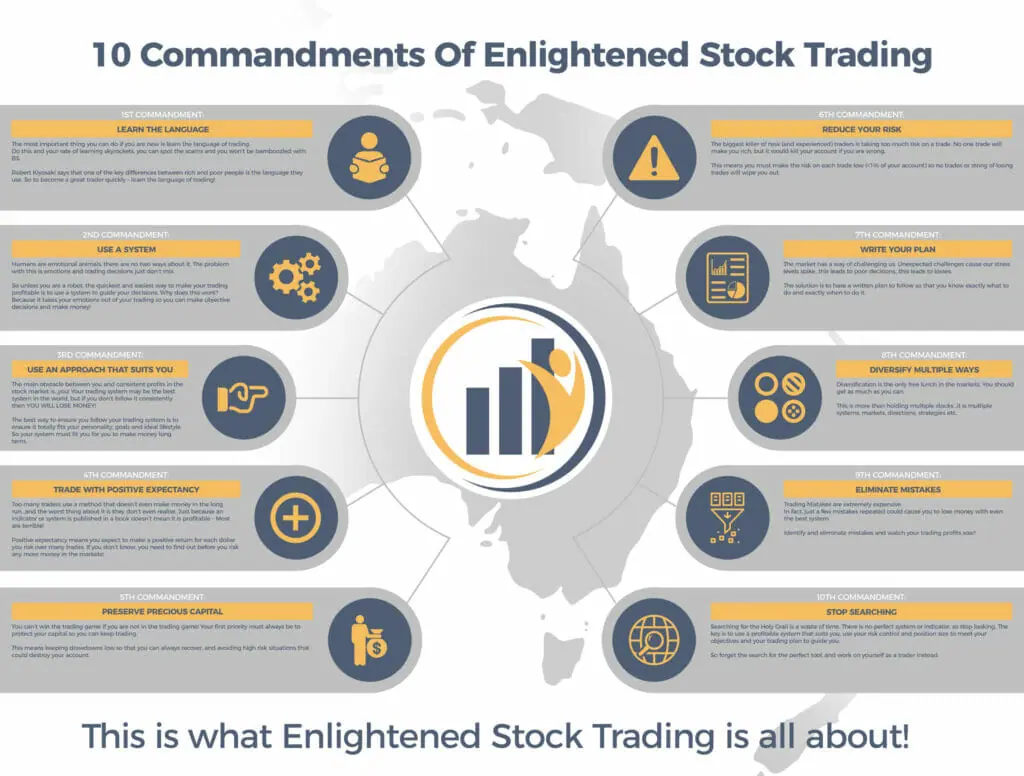
Learn The 10 Commandments For Profitable Trading
Discover the 10 most important lessons from 18 years of profitable trading & reading over 150 trading books.
Get your FREE Report & 10 Training Videos NOW!