How to Set Up a Self-Managed Super Fund for Stock Trading
Setting up a Self-Managed Super Fund (SMSF) to actively trade stocks can be very appealing and financially rewarding when done right. More control, more flexibility and potentially much better performance. But this is not something to be taken lightly, you’re taking the wheel, and that comes with serious responsibility.
Whether you’re already trading, or just thinking about it, managing your investments through an SMSF can offer big benefits, but first you need to understand the setup, structure, and compliance obligations. This isn’t a “set and forget” vehicle. From trustee selection to writing your investment strategy, every choice you make must align with ATO rules and your long-term goals.
In this article, we break down the key steps to setting up your SMSF correctly so you can trade with clarity and confidence. If you’re an analytical thinker who values independence, this guide will help you decide if an SMSF is the right fit for your trading journey.
Is an SMSF Right for You?
Time, costs, and responsibilities involved
Running an SMSF isn’t a hands-off affair. While it gives you more control, it also demands more of your time, particularly during setup, compliance, and yearly reporting. You’re not just an investor here – you’re also taking on the role of administrator and trustee.
The ongoing costs can vary, but typically include accounting, audit, ATO fees, and sometimes legal advice. SMSF Australia reports this can typically be over $4000 annually depending on the complexity. If you’re not trading with at least six figures, the costs may outweigh the benefits.
Responsibilities within an SMSF are serious. You’re legally accountable for all fund decisions, whether you outsource tasks or not. This includes maintaining records, staying compliant with ATO regulations, and acting solely in the best interest of the fund’s members.
Comparing SMSFs to industry/retail funds
Industry and retail super funds are “set and forget” options. They offer convenience, pooled investing, and professional management. But they often limit your investment choices, charge hidden fees, and give you zero say in how your money is managed.
With an SMSF, you gain investment freedom. You can implement stock trading systems for shares, ETFs, and in some cases even crypto. Everyone has different risk tolerances and goals for their retirement, and these change in different stages of life. I know I don’t want to be lumped in with the standard risk and return profiles provided by retail superannuation funds. By trading stocks systematically, I have been able to confidently manage my own portfolio of stock trading systems that suits my risk tolerance and retirement goals.
SMSFs involve greater complexity and are not suitable for everyone. However, for investors who want full control over their financial future and are willing to put in the required effort, they can be a powerful option. By being systematic and disciplined, SMSF investors can have the opportunity to outperform traditional managed funds. For the right person, the additional responsibility is well worth it.
When control and flexibility matter
If you value being able to balance your risk management and return goals proactively or invest in markets your super fund doesn’t touch – control matters. An SMSF gives you that. You’re not locked into pre-set portfolios or asset allocations that don’t fit you.
Flexibility is key for traders who want to implement their own trading systems, rebalance when it suits them, or even diversify globally. You can also adjust your allocations based on market conditions – something most traditional funds are slow to do, if at all. This freedom has allowed me to sidestep large drawdowns in bear markets while still profiting from times stock and crypto markets are trending.
But freedom without structure can lead to poor outcomes. That’s why aligning your SMSF with a clear written investment strategy and your personal trading rules is critical to staying consistent and compliant. The Trader Success System is the ideal place to start your journey in this regard.
Step-by-Step SMSF Setup Guide
Choosing a trustee structure (Individual vs Corporate)
You’ll need to choose between having individual trustees or setting up a corporate trustee. Most people default to individual trustees because it’s cheaper upfront, but that can be short-sighted.
A corporate trustee (a company you control) simplifies ownership changes, makes admin easier, and is generally more robust if you plan to trade frequently or have long-term wealth-building goals. The setup cost is higher, but the structure is more professional.
For traders building a serious long-term portfolio, a corporate trustee often makes more sense. It reduces risks like ownership complications and makes adding or removing members (such as a spouse) much easier down the line. The ATO outlines a clear decision making process for your SMSF trustee structure.
Creating the trust and trust deed
Every SMSF must have a trust deed. This is your legal rulebook, it governs how the fund operates, what it can invest in, and the rights of each member. Don’t use a freebie template off the internet. Get one drafted by a superannuation specialist lawyer or SMSF provider.
The deed must support your trading plans. Do you want to trade international stocks, crypto or use derivatives? It must allow for those asset classes. Anything not explicitly permitted in the deed could lead to compliance issues.
We must always keep this document up to date as laws change. Every few years, review it to confirm it still matches your trading strategy and fund operations. Outdated deeds are a red flag for auditors and the ATO.
Registering with the ATO
Once your SMSF is set up, you’ll need to register it with the ATO. This includes getting an ABN, TFN, and electing the fund to be a regulated SMSF. That step makes your fund eligible for the 15% concessional tax rate, which is very attractive for long term compounding growth.
This step is critical – skip it or do it incorrectly, and your SMSF could be taxed at the top marginal rate. It’s worth engaging a superannuation specialist accountant to handle the ATO registration to avoid unnecessary errors.
Once registered, the ATO will treat your fund seriously. You’ll be expected to meet annual reporting, lodge tax returns, and ensure your fund remains compliant. Don’t underestimate the scrutiny SMSFs are under.
Setting Up SMSF Bank Accounts & Investment Strategy
Requirements for separate accounts
Your SMSF must have separate bank accounts and trading accounts, completely segregated from your personal finances. Mixing personal and SMSF money is a major compliance breach and could invalidate your fund.
Set up a dedicated SMSF bank account first. From there, open a trading account in the name of your SMSF (with the trustee entity listed correctly) we use Interactive Brokers for global diversification and low trading costs. All income, expenses, and trades must flow through these accounts.
Keeping these accounts clean and accurate makes auditing easier, protects your SMSF’s tax concessions, and shows you’re taking the trustee responsibilities seriously. Sloppy administration is one of the main reasons SMSFs get flagged by the ATO.
What your written investment strategy must include
Your investment strategy must be documented, reviewed annually, and reflect how you actually invest. This is not a “tick the box” task – it’s a legal requirement and must guide your asset selection, risk management and diversification.
It needs to include things like:
- your risk management
- target asset classes (e.g., stocks, ETFs, cash)
- how you’ll achieve diversification
- how the investments meet the fund members’ retirement objectives.
If you’re trading stocks, this strategy must clearly justify why.
Compliance checklists
Compliance isn’t optional. The ATO expects trustees to follow the rules, and ignorance is not an excuse. That’s why having a clear checklist is essential. You’ll need to tick off ongoing duties like annual returns, audits, investment reviews, and member reporting.
Common checklist items include keeping minutes of trustee meetings, ensuring all contributions are correctly allocated, updating your investment strategy, and checking that all decisions are made in line with the trust deed and SIS Act.
If you’re serious about trading inside an SMSF, these aren’t just admin tasks, they’re what protect your fund’s legitimacy. Missing even one item could trigger penalties or risk the concessional tax status of your fund. That’s not a price worth paying for shortcuts.
Summary: SMSF Stock Trading – Take Control, But Do It Right
Trading stocks through your SMSF gives you the freedom to build wealth on your terms, but it’s not for the unprepared. You’ll need to manage setup costs, meet strict ATO regulations, and create a written investment strategy that reflects your goals and risk appetite.
Compared to traditional super funds, an SMSF puts you in the driver’s seat. But it also demands more discipline, clearer systems, and greater admin responsibility. Whether you choose a corporate trustee, trade using a systematic trading strategy, or hire a professional to help, success starts with structure and compliance.
If you’re ready to level up your trading inside a properly managed SMSF, this article has given you the roadmap. Just remember – control without strategy is chaos. But when done right, your SMSF can become a powerful engine for long-term wealth.
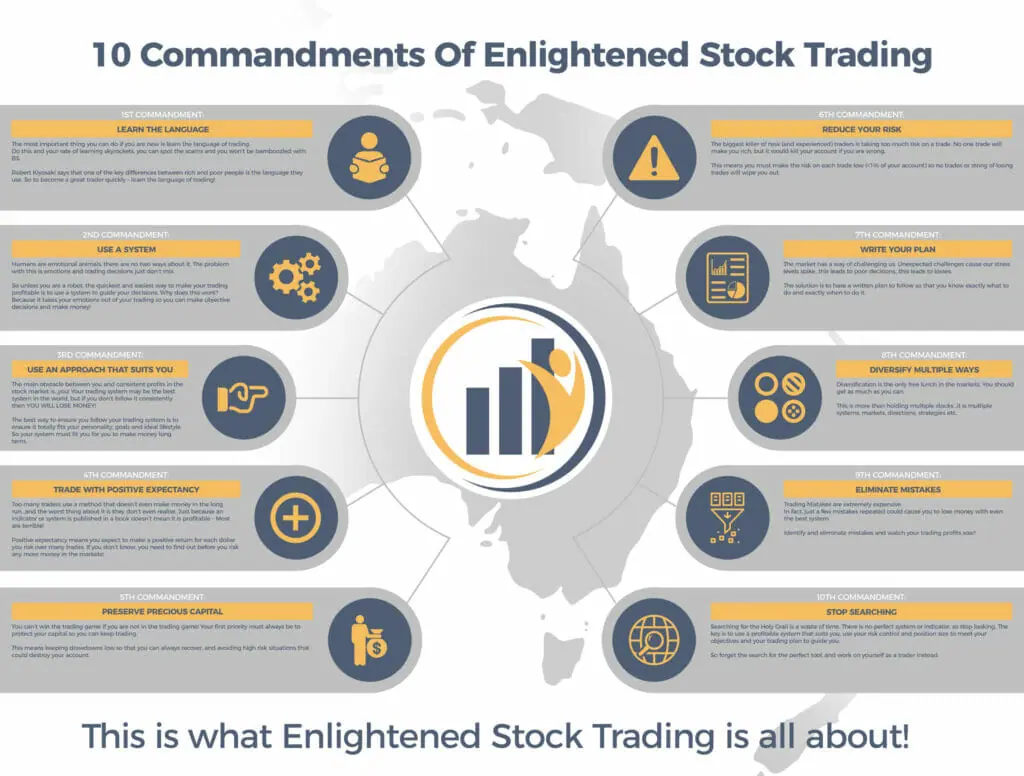
Learn The 10 Commandments For Profitable Trading
Discover the 10 most important lessons from 18 years of profitable trading & reading over 150 trading books.
Get your FREE Report & 10 Training Videos NOW!