Risk Management Techniques for SMSF Stock Traders
When you’re trading inside a Self-Managed Super Fund (SMSF), the margin for error is razor thin. You can’t just top up the account after a bad month. You’re working within tight contribution caps and long-term retirement timelines, which means losses take longer to recover, and some mistakes you just can’t undo.
That’s why risk management isn’t optional in an SMSF. It’s the backbone of every strategy you run. From setting smart stop-losses and sizing positions properly to building a diversified portfolio of uncorrelated systems, your job isn’t just to grow capital, it’s to protect it.
In this article, you’ll learn the principles, tools, and frameworks that help SMSF traders manage risk with precision. We’ll cover drawdown control, income stability, and the practical strategies that keep your equity curve smooth, your trading plan intact, and your future secure.
Why Risk Management Matters in SMSFs
Limited contribution caps and recovery options
In an SMSF, every dollar matters, because once you hit your contribution caps, you can’t just “top up” your fund if things go wrong. Annual concessional and non-concessional limits mean losses take years to recover with fresh capital.
That’s why your trading risk management needs to be airtight. You can’t afford reckless bets or portfolio drawdowns that wipe out years of progress. Unlike other accounts, you can’t just inject more money to reset the damage.
This makes capital protection a priority, not an afterthought. Your systems should aim to grow wealth, but only when the risk-to-reward profile is clear and defined. Avoiding large losses is the first step toward long-term SMSF success.
The importance of capital preservation
Capital preservation is the cornerstone of SMSF trading. Why? Because you’re managing retirement funds, not just chasing quick profits. A solid system must first protect capital, then seek gains within your personal risk limits.
Think of your SMSF like a business. No business survives long if it constantly bleeds cash, and your fund is no different. Drawdowns not only reduce capital, but they also affect your income in pension phase and increase the stress on meeting minimum withdrawals.
That’s why SMSF trading systems should include clearly defined risk limits, stop-losses, and diversification methods. Without these, even a single strategy misfire can take years to recover from, years you may not have in retirement.
Real-world consequences of large losses
Large losses in an SMSF don’t just hurt performance, they can derail your retirement timeline. A 30% loss needs a 43% gain to break even, and this ratio only gets worse as the depth of drawdown increases. That takes time, which is your most limited resource inside a super fund structure.
Worse, deep drawdowns may force you to sell positions to meet pension drawdowns, locking in losses permanently. This is especially dangerous during bear markets or when liquidity dries up.
Systematic trading must include rules to cap losses, not just chase returns. This includes system-level drawdown controls and market exposure caps and ensuring your portfolio survives long enough to deliver compounding growth.
Position Sizing and Stop-Loss Strategies
Calculating optimal position sizes
Position sizing is where risk management begins. It defines how much you’ll lose if a trade goes against you, not how much you hope to make. For SMSFs, getting this right means protecting your portfolio from one bad trade ruining the rest.
The most effective sizing methods consider volatility, account size, and trade risk. You’re not just allocating evenly, you’re sizing positions based on how risky they are and how much capital you’re prepared to expose.
Using software like RealTest or Amibroker, you can build position sizing into your system logic. This makes your trading more repeatable, scalable, and resilient, exactly what an SMSF needs.
Using ATR, % risk models
Two of the most common and effective risk models in systematic trading are the Average True Range (ATR) method and the fixed percentage risk method. Both provide a consistent way to scale trades based on volatility and portfolio size.
ATR-based sizing adjusts your position depending on how volatile a stock is. Higher volatility = smaller position. This prevents overexposure in fast-moving stocks. The % risk model simply limits each trade to, say, 1% of total equity, no matter the stock.
These models are ideal for SMSFs because they enforce discipline and prevent emotional overtrading. They also allow you to compare systems apples-to-apples, ensuring you know how much risk each strategy contributes to the total fund.
Setting and trailing stop-loss levels
Stop-losses are essential for SMSF traders, they cap the damage and keep your portfolio healthy. Whether it’s a fixed % stop or volatility-adjusted using ATR, a good stop-loss ensures you live to trade another day.
Trailing stops go one step further by locking in gains. As the stock price rises, your stop moves up behind it. This helps preserve profits without exiting too early. It’s a vital tool for managing trending trades within a retirement portfolio.
The key is consistency. Every trading system in your SMSF should have its own clearly defined stop-loss logic, so you never have to guess. This reduces stress, emotional decision-making, and portfolio drawdowns over time.
Diversification and Multi-Strategy Portfolios
Across sectors, markets, and systems
Diversifying across sectors, markets, and systems is one of the most effective ways to reduce risk and smooth your SMSF equity curve. You’re not betting on one sector or one method, you’re running a portfolio of independent strategies.
For example, a trend-following system on ASX small caps behaves very differently than a mean reversion system on US large caps. If one is underperforming, the other may be thriving. This offsets risk and improves consistency.
At Enlightened Stock Trading, we teach traders to build a portfolio of systems that operate across different instruments, markets and logic types. This helps reduce drawdowns, improve liquidity, and grow your SMSF with lower volatility.
Benefits of uncorrelated strategies
Uncorrelated strategies are your secret weapon in SMSF trading. When one system zigs, the other zags. This reduces overall volatility and increases the likelihood of steady returns across different market conditions.
Running uncorrelated strategies allows you to stay in the market longer without overstretching risk. You’re not just diversifying stocks; you’re diversifying how you trade. Think trend-following, mean reversion, intraday and volatility-based systems all working together to smooth your returns.
For SMSFs, the benefit is clear, fewer sleepless nights, more consistent returns, and lower risk of being blindsided by a single market event. This is the power of systems that complement each other instead of moving in lockstep.
Reducing equity curve volatility
A smooth equity curve is more than just pleasing to look at, it’s easier to stick with. And sticking with your system is one of the biggest predictors of long-term trading success. In SMSFs, this matters even more because consistency underpins retirement income planning.
You can reduce volatility by combining systems with different holding times, strategies, and entry types. Don’t rely on one idea to do all the heavy lifting. Spread your capital across multiple, independently tested systems to flatten the bumps.
Other ways to reduce volatility include limiting leverage, cutting exposure during regime shifts, and scaling out of trades gradually. The goal isn’t to eliminate drawdowns entirely, it’s to make them tolerable enough that you stay the course.
Summary: Master Risk Management to Safeguard Your SMSF Performance
Risk management is what separates short-term gains from long-term success, especially inside an SMSF. With strict contribution limits and long recovery horizons, avoiding large losses is more important than chasing the next big winner.
Systematic trading gives you the structure to manage risk across the board, from precise position sizing and stop-loss strategies to building multi-strategy portfolios that perform in different market environments. It’s not about eliminating risk, it’s about controlling it so your systems can keep compounding reliably, year after year.
The bottom line? Your SMSF depends on discipline, not guesswork. When risk management is built into every trade, system, and allocation decision, you’ll trade with more confidence, fewer surprises, and stronger long-term results.
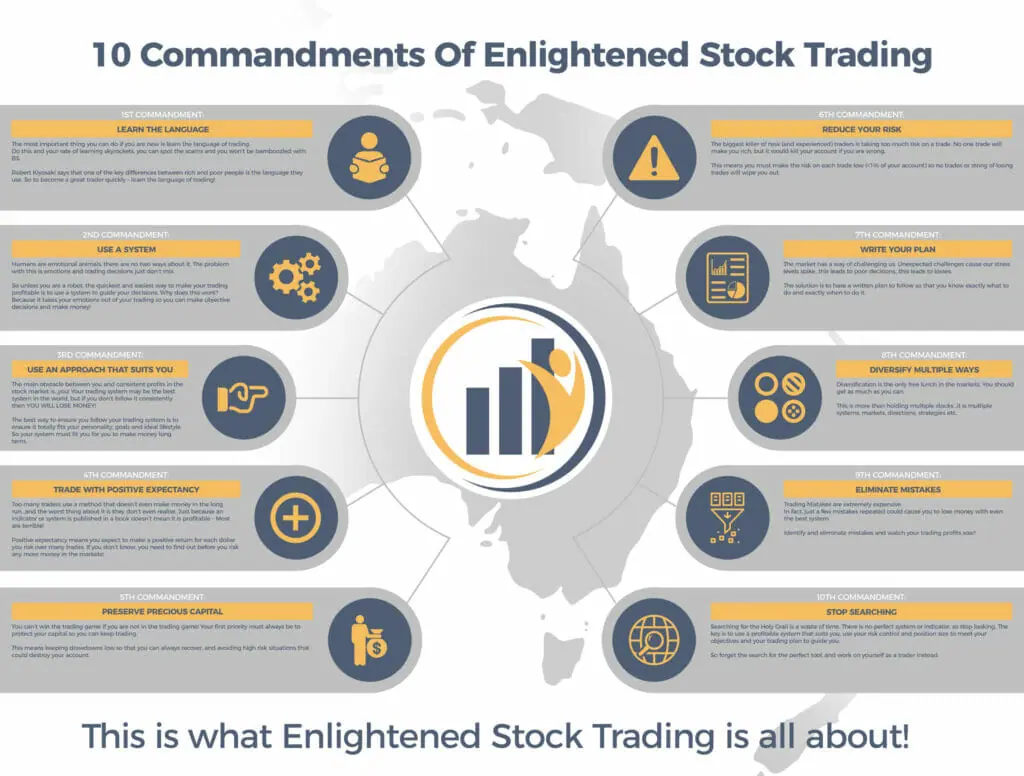
Learn The 10 Commandments For Profitable Trading
Discover the 10 most important lessons from 18 years of profitable trading & reading over 150 trading books.
Get your FREE Report & 10 Training Videos NOW!