SMSF Stock Trading: The Complete Guide for Analytical Investors
If you are an analytical thinker, or you are already actively investing through a personal account, you may have considered whether a Self-Managed Super Fund is a smarter structure for your trading. When it comes to your retirement savings, vague opinions and guesswork are not enough. You want structure, you want control and you want a clear, rules-based framework for managing risk and making decisions.
Trading stocks within an SMSF can be a powerful approach. The tax advantages are meaningful and the flexibility is genuine. But so are the legal responsibilities and compliance obligations that come with acting as a trustee.
This page brings together everything you need to understand about trading stocks inside an SMSF, from setting up the fund correctly and meeting ATO requirements, through to systematic trading strategies, disciplined risk management and intelligent portfolio construction.
If you are going to take control of your superannuation, do it with clarity, discipline and a properly designed system.
Setting Up Your SMSF for Stock Trading
Before you place a single trade, you need the right structure.
Many traders rush this step. That’s a mistake. Your trustee structure, investment strategy documentation and brokerage setup must align with ATO requirements from day one.
How to Set Up a Self-Managed Super Fund for Stock Trading
This guide covers:
- Trustee responsibilities
- Costs and ongoing obligations
- Writing a compliant investment strategy
- Deciding if an SMSF suits your situation
Control is powerful. But it only works if the foundation is solid.
SMSF vs Industry and Retail Super Funds
Is an SMSF even the right vehicle for you?
If you value independence and analytical decision-making, the answer might be yes. But you must compare control against compliance workload and costs.
SMSF vs Industry and Retail Super Funds: What’s Right for You?
Inside, we break down:
- Investment flexibility
- Performance considerations
- Cost structures
- Who should not run an SMSF
An SMSF is not for everyone. But for systematic traders, it can be a strong fit.
ATO Rules and Audit Requirements
Active trading inside an SMSF attracts scrutiny. The ATO expects strict adherence to superannuation law, and ignorance is not a defence.
The sole purpose test must guide every investment decision. Your documented investment strategy must align with your actual trading activity. And annual audits are mandatory, not optional.
If you trade frequently, documentation becomes even more critical.
ATO Rules and Audit Requirements for SMSF Traders
You’ll learn:
- The sole purpose test and investment strategy alignment
- Permitted vs prohibited transactions
- Common audit red flags
- Annual audit process and documentation checklists
- How to stay audit ready as an active trader
Strong returns mean nothing if your fund fails compliance.
SMSF Compliance and Trustee Responsibilities
Running an SMSF means you are legally responsible for the fund. You are not just an investor. You are the trustee.
That means understanding the SIS Act, acting in the best interests of members, maintaining arm’s length transactions, and keeping detailed records for up to 10 years.
Many trustees underestimate this responsibility until something goes wrong.
SMSF Compliance and Trustee Responsibilities
Inside this guide, you’ll discover:
- Your legal duties under superannuation law
- Record-keeping and reporting obligations
- Prohibited transactions and conflicts of interest
- Penalties for non-compliance
- How to stay compliant without unnecessary stress
Control is powerful. But legal responsibility sits with you. Treat your SMSF like a business, structured, documented, and disciplined.
Tax Benefits of Trading in an SMSF
Here’s where structure pays off.
SMSFs benefit from:
- 15% tax in accumulation phase
- 0% tax in pension phase
- Capital gains discounts
- Franking credit refunds
But tax efficiency depends on how you trade.
Tax Benefits of Trading in a Self-Managed Super Fund
This guide explains:
- How CGT works inside an SMSF
- Impact of high-frequency trading
- Accumulation vs pension phase tax differences
- Why record-keeping protects your tax edge
Tax is a system. Treat it like one.
Contribution Limits and Retirement Planning
Your trading performance sits inside contribution caps and pension rules. You cannot simply “top up” after a drawdown.
That changes how you manage risk.
SMSF Contribution Limits and Retirement Planning
Inside you’ll discover:
- Concessional and non-concessional caps
- Transition-to-retirement considerations
- Pension drawdown requirements
- Aligning portfolio structure with retirement stage
A systematic trader plans for decades, not months.
Benefits and Risks of Trading Stocks in an SMSF
Yes, there are tax advantages.
Yes, there is control.
But there are also:
- Liquidity risks
- Concentration risk
- Behavioural risk
- Compliance risk
Pros and Cons of Stock Trading in an SMSF
This article helps you assess:
- Whether you’re ready for trustee responsibility
- If your trading edge is strong enough
- The psychological demands of managing your own retirement capital
Freedom without discipline becomes expensive.
Systematic vs Discretionary Trading in an SMSF
Let’s be honest.
Discretionary trading inside a retirement vehicle is dangerous. Emotions and retirement savings rarely mix well.
A documented, rules-based approach creates consistency and audit clarity.
SMSF Trading Strategies: Systematic vs Discretionary
You’ll learn:
- Why auditability matters
- How systems reduce emotional mistakes
- The scalability of systematic trading
- Why consistency beats intuition
Trade your retirement capital with rules, not reactions.
Using Algorithmic Trading Systems in an SMSF
Algorithmic trading removes hesitation.
Once your rules are tested, execution becomes mechanical. That’s ideal inside a regulated retirement structure.
Using Algorithmic Trading Systems in an SMSF
This article covers:
- Platform considerations
- Avoiding over-optimization
- Automation inside compliance boundaries
- Aligning systems with your risk profile
If you have an analytical brain, this is where you thrive.
Risk Management for SMSF Stock Traders
Inside an SMSF, losses hurt more.
Contribution caps limit recovery options, drawdowns take time to repair and poor position sizing can set you back years.
Risk Management Techniques for SMSF Stock Traders
You’ll discover:
- Drawdown control frameworks
- Capital preservation principles
- Diversification across systems
- Practical stop-loss implementation
Your first job is protection. Growth comes second.
Managing Liquidity and Drawdowns
Liquidity is boring – until you need it.
SMSFs must meet pension payments, tax liabilities and audit obligations. Illiquid positions create risk.
Managing Liquidity and Drawdowns in SMSFs
This guide explains:
- Liquidity in volatile markets
- Structuring for pension phase
- Tradability vs performance
- Designing systems with exit realism
If you cannot exit, you do not control the risk.
Tools for Managing an SMSF Trading Portfolio
Serious traders use professional tools.
Backtesting platforms, clean data, broker integration and portfolio tracking are all critical.
An SMSF requires precision and documentation.
Best Tools for Managing an SMSF Trading Portfolio
Inside:
- Strategy development platforms
- Data quality considerations
- Broker selection
- Audit-friendly record systems
Systems need infrastructure.
The Big Picture: Structure + Systems + Discipline
Running an SMSF for stock trading is not about excitement.
It is about:
- Structured decision-making
- Tax efficiency
- Risk control
- Multi-system diversification
- Long-term retirement alignment
Most traders try to shortcut the process.
The consistent ones build systems.
If you’re analytical, independent and serious about your retirement capital, this collection of guides will give you the clarity you need.
Remember – You are only one trading system away!
Read our complete set of articles on Self Managed Super Fund Trading
SMSF Setup and Compliance
- SMSF vs Industry and Retail Super Funds: What’s Right for You?
- ATO Rules and Audit Requirements for SMSF Traders
- SMSF Contribution Limits and Retirement Planning
- SMSF Compliance and Trustee Responsibilities
- How to Set Up a Self-Managed Super Fund for Stock Trading
SMSF Benefits and Considerations
SMSF Trading
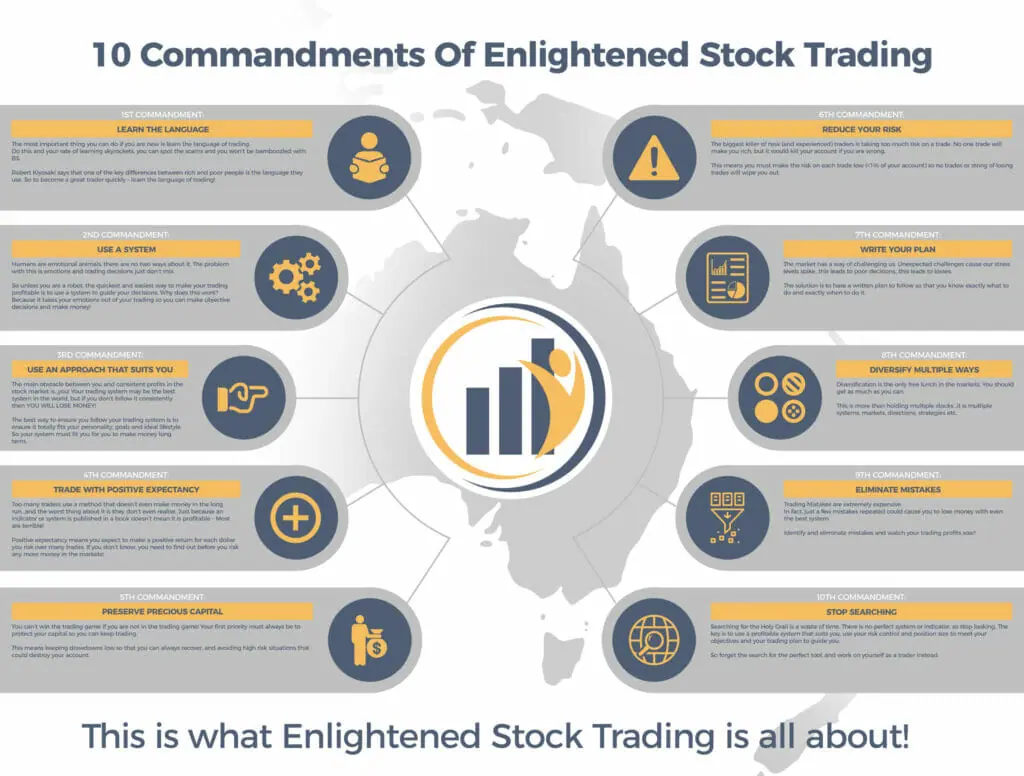
Learn The 10 Commandments For Profitable Trading
Discover the 10 most important lessons from 18 years of profitable trading & reading over 150 trading books.
Get your FREE Report & 10 Training Videos NOW!