Using Algorithmic Trading Systems in an SMSF
If you’re running a Self-Managed Super Fund (SMSF) and trading stocks, consistency, control, and compliance should be top priorities. That’s where algorithmic trading systems shine. They take the emotion out of the equation, reduce decision fatigue, and provide a clear structure you can document and repeat.
Whether you’re trading momentum, mean reversion, or trend-following strategies, algorithms let you execute with discipline and precision. With platforms like Amibroker or RealTest and data from Norgate, you can build and test robust systems that match your trading goals and risk profile. And once you’re live, brokers like Interactive Brokers make automated execution possible even inside your SMSF.
In this article, we’ll walk through the key benefits of using algorithmic trading systems in your SMSF, from tax-compliant record-keeping to avoiding over-optimization. If you want to grow your wealth and stay within ATO guidelines, it’s time to consider going systematic.

What Is Algorithmic Trading in an SMSF?
How algorithms remove emotion from trading
If you’re running a Self-Managed Super Fund (SMSF) and trading stocks, consistency, control, and compliance should be top priorities. That’s where algorithmic trading systems shine. They take the emotion out of the equation, reduce decision fatigue, and provide a clear structure you can document and repeat.
Whether you’re trading momentum, mean reversion, or trend-following strategies, algorithms let you execute with discipline and precision. With platforms like Amibroker or RealTest and data from Norgate, you can build and test robust systems that match your trading goals and risk profile. And once you’re live, brokers like Interactive Brokers make automated execution possible even inside your SMSF.
In this article, we’ll walk through the key benefits of using algorithmic trading systems in your SMSF, from tax-compliant record-keeping to avoiding over-optimization. If you want to grow your wealth and stay within ATO guidelines, it’s time to consider going systematic.
Common trading styles (momentum, mean reversion, trend-following)
Momentum strategies focus on buying assets that are already performing well. The idea is that strong price movement often continues, allowing the system to ride that strength for profitable gains. These strategies work best in markets with fast-moving trends or bursts of strength.
Mean reversion systems work differently. They identify temporary price deviations, such as pullbacks or oversold conditions and trade in expectation of prices returning to normal levels. This style can deliver frequent, smaller profits during sideways or choppy markets.
Trend-following models aim to capture large, long-term moves by entering positions when a trend begins and holding them until the trend ends. This approach works particularly well in strong bull or bear markets and provides excellent diversification when combined with other strategies.
Together, these three styles allow SMSF traders to build diversified, multi-strategy portfolios. Each style performs best in different market environments, helping smooth returns across the full economic cycle.
Why this suits SMSF trustees
As an SMSF trustee, you have legal responsibilities and tax advantages to protect. Using a trading system helps you meet those obligations by providing consistency, transparency, and clear documentation.
You’re not making random decisions, you’re following a logical, repeatable process. That’s exactly what auditors and the ATO want to see. It also reduces your day-to-day workload and risk of mistakes caused by fatigue or stress.
For trustees who want control without chaos, algorithmic trading systems provide the structure to trade effectively while remaining compliant. I am personally able to manage a large portfolio of stocks and crypto over many markets while still leading a busy life stress free, by using algorithmic trading strategies.
Tools for SMSF Algorithmic Trading
Amibroker and Norgate Data
If you’re serious about building or running trading systems, RealTest is one of the most powerful platforms available. It lets you code, backtest, and automate your strategies with precision and speed.
Norgate Data plugs into RealTest to provide clean, survivorship bias-free historical data, essential for reliable backtesting. Without accurate data, your results can be misleading, and that puts your fund at risk.
Together, these tools let you test trading ideas across markets, refine your systems, and build strategies you can trust and scale in your SMSF.
Broker integration (e.g., Interactive Brokers)
Once you have a tested system, it’s time to go live. Platforms like Interactive Brokers (IBKR) support automated execution, international markets, and integration with tools like Amibroker and RealTest.
With the right setup, your algorithm can send signals or execute trades directly through your SMSF brokerage account. This reduces manual effort and improves execution speed and accuracy, leaving you with more free time and peace of mind.
Just make sure your trading account is properly registered in the name of the SMSF with the trustee structure correctly reflected. This protects your compliance and audit trail.
Compliance tools and record-keeping
Algorithmic trading makes record-keeping easier, every trade is triggered by code, so the rationale is built-in. This makes your SMSF audit-ready with minimal effort, as long as you use proper tools and keep your system logic documented.
Export trade logs, performance reports, and equity curves regularly. Use tools like Excel, portfolio tracking software, or admin platforms to store everything securely. You’ll also need to track franking credits, income, and CGT events for each trade. RealTest automatically does much of this hard work for you and is a sound choice of trading software.
Good systems, supported by good data and clean documentation, make staying compliant far easier than trying to explain discretionary trades after the fact.
Pros, Cons, and Compliance Tips
Benefits of consistency and auditability
SMSFs reward consistency, both in returns and in behaviour. Trading with a rules-based algorithm allows you to execute your strategy the same way every time, without letting market noise or emotions derail your decisions.
This consistency is valuable not just for performance, but for auditability. When your trades are systematic and backed by clear logic, they’re easier to explain and defend. It reduces stress and increases confidence.
You don’t need to reinvent your process every week. You just follow the system, review results, and adjust only when and if the data tells you to. The robust trading systems provided in the Trader Success System have stood the test of time with outstanding performance and negligible need for adjustment.
Avoiding over-optimization
One common trap in system building is over-optimization – tweaking your rules so much that the strategy fits the past perfectly but fails in the future. This is often called “curve-fitting”, and it leads to disappointment fast.
In an SMSF, this is dangerous. You’re trading long-term retirement capital, not experimenting. That’s why you need to focus on robust systems, not perfect-looking ones.
Use walk-forward testing, out-of-sample validation, and stress tests to make sure your system optimization is sound and your strategy is built to survive real-world conditions, not just give you an attractive backtest.
Staying within ATO guidelines
The ATO requires that every investment decision in your SMSF aligns with a written investment strategy and is made in the best interests of fund members. Your algorithmic trading system must be documented, explainable, and aligned with your fund’s objectives.
This means including your system’s logic, asset classes, and risk limits in your written strategy. You can’t just say “I use a bot”, you need to show how it fits your goals and complies with superannuation laws.
The good news? Systematic trading makes this easy. If your process is clear and your records are solid, you’ll be trading confidently, and compliantly.
Summary: Algorithmic Trading in Your SMSF – A Smarter, Safer Way to Trade
Algorithmic trading gives SMSF trustees the structure, scalability, and control they need to trade with confidence. By removing emotion, reducing human error, and improving consistency, systems-based trading helps you stay compliant and focused on long-term performance.
With the right tools – like RealTest, Norgate Data, and Interactive Brokers, you can automate your edge and document every move. That makes audits easier, tax tracking cleaner, and your overall process far more efficient.
For traders looking to align performance with retirement goals, algorithmic systems offer a compelling edge. Done right, they’re not just profitable – they’re compliant, scalable, and stress-free. Join the Trader Success System now to learn how to develop algorithmic trading systems to meet the objectives of your SMSF.
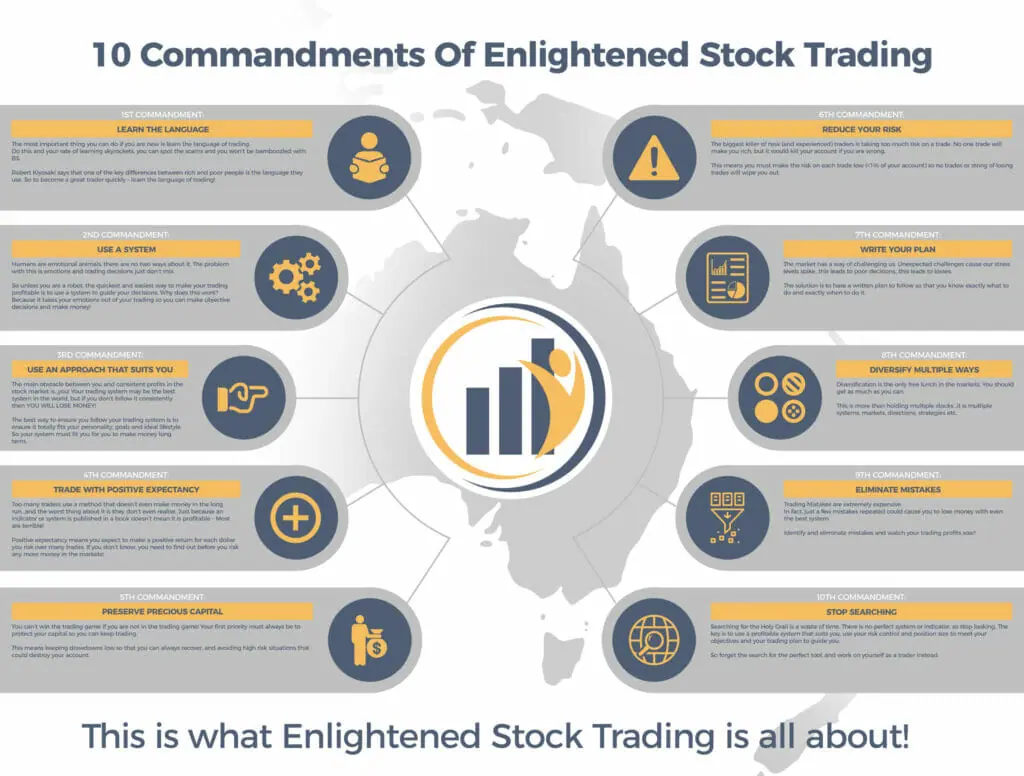
Learn The 10 Commandments For Profitable Trading
Discover the 10 most important lessons from 18 years of profitable trading & reading over 150 trading books.
Get your FREE Report & 10 Training Videos NOW!